Old Mill
About
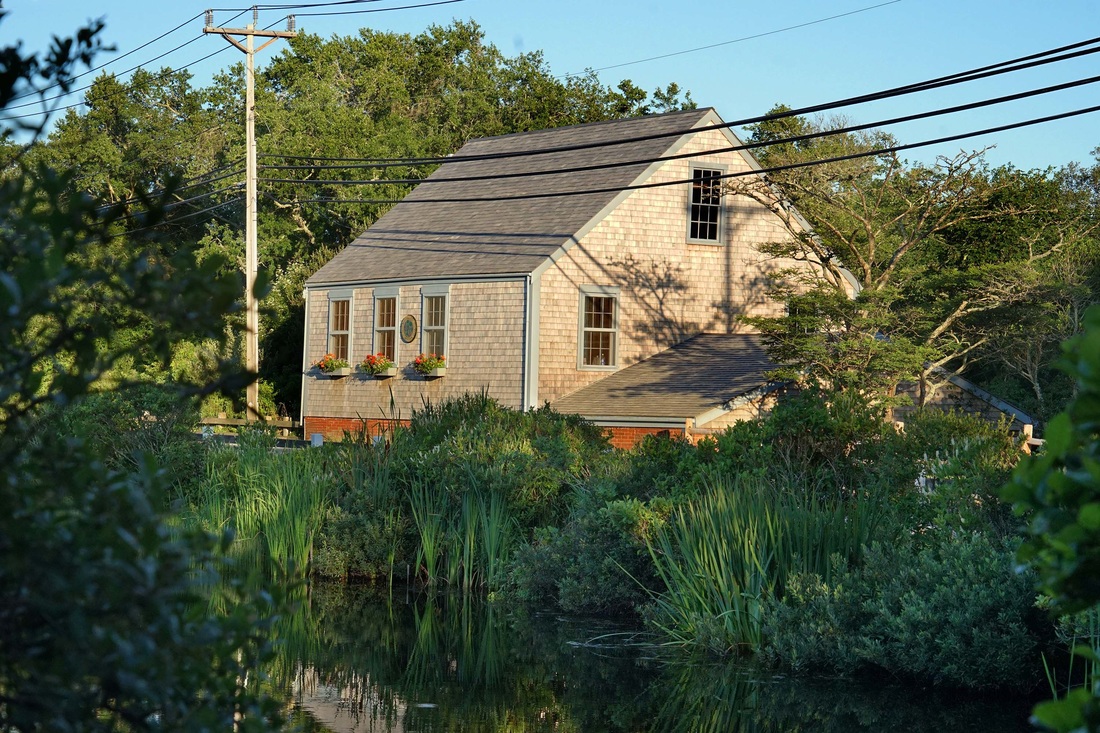
Nestled beside a quiet pond in West Tisbury, the Old Mill invites visitors into a place shaped by centuries of Island life and care. Once a colonial grist mill and later a woolen mill supporting the whaling era, the site reflects a long tradition of ingenuity rooted in the natural landscape. For more than 90 years, the Martha’s Vineyard Garden Club has lovingly stewarded the property, preserving it as a setting where history, artistry, land, and water come together—offering a rare and evocative glimpse into the Vineyard’s working past and enduring sense of place.
Timeline
- 1650s: First documented mention of a mill on site.
- 1688: Operated as a grist mill for more than a century.
- 1809: Converted to produce woolen cloth supporting the Island’s whaling economy.
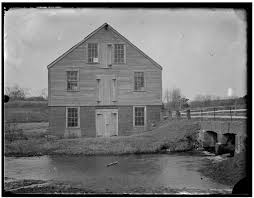
- 1848: Current mill structure built; industrial use continues into the 1870s.
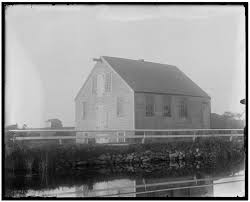
- Post-1870s: Building serves various purposes before deteriorating in the early 20th century.
- 1937/1942: Martha’s Vineyard Garden Club rents and later purchases the property, preserving it for future generations.
- Today: The Old Mill is listed on the National Register of Historic Places and remains the home of the Garden Club, hosting annual events celebrating art, horticulture, and community life.
A Working Mill on the Island
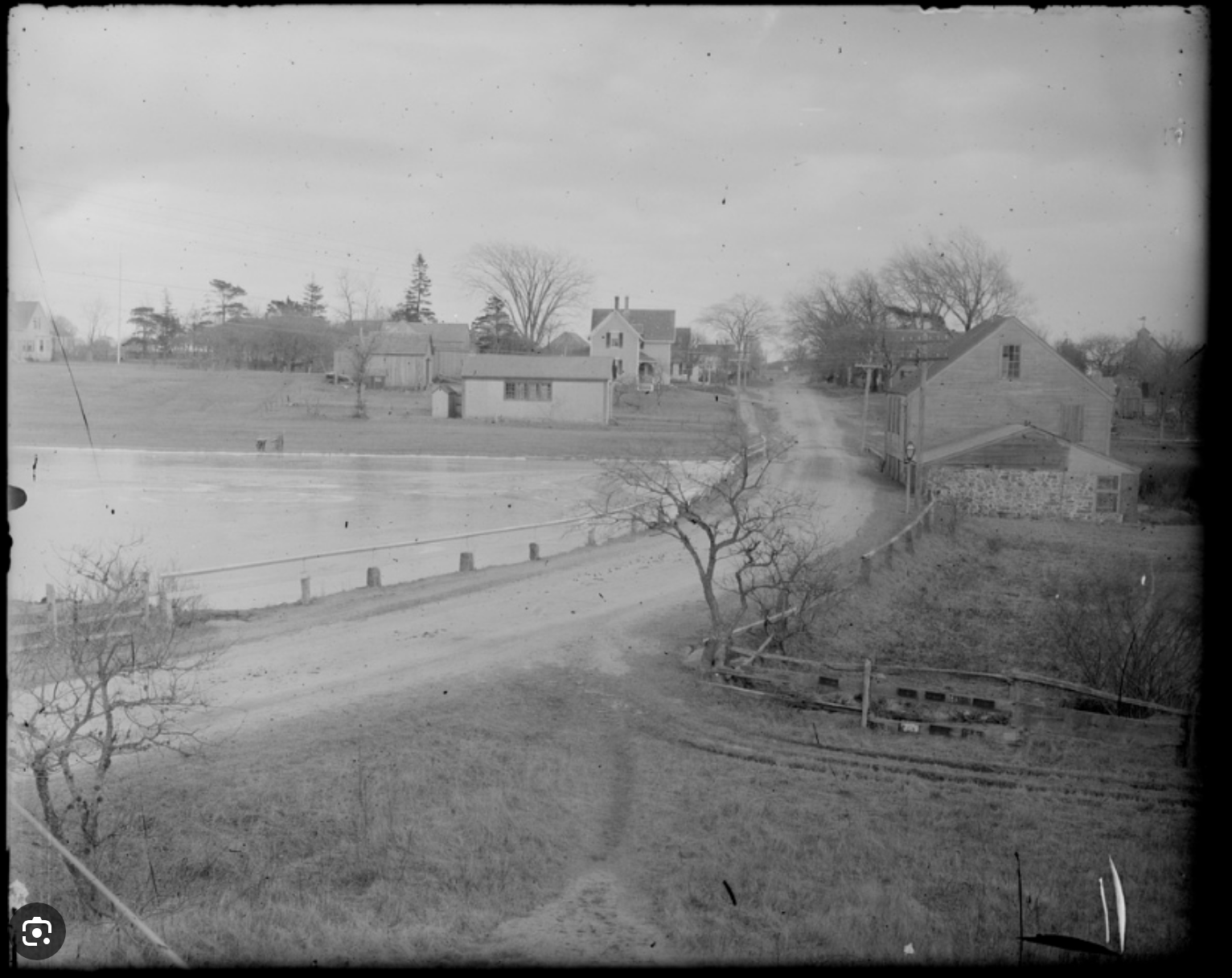
The Old Mill site has been active since at least the mid-17th century, when early settlers established a grist mill to grind locally grown grain into flour. For more than a century, the mill served as an essential piece of Martha’s Vineyard’s agricultural economy, powered by water drawn from the pond and stream that still shape the landscape today.
In 1809, as the Island’s economy shifted, the mill was converted to produce woolen cloth. Its dense, water-shedding fabric proved ideal for the harsh conditions faced by whaling crews, making the mill an important contributor to the maritime trades that defined the Vineyard in the 19th century. The current structure, built in 1848, dates to this period of peak industrial use. Milling operations continued until the 1870s, when the decline of whaling brought the era of large-scale production to a close.
Daniel Fisher & Island Enterprise
The Old Mill is closely connected to the vision and ambition of Dr. Daniel Fisher, one of Martha’s Vineyard’s most influential 19th-century figures. Arriving on the Island as a physician, Fisher quickly recognized the opportunities presented by the whaling economy and expanded into shipping, manufacturing, and land development.
Among his many ventures, Fisher established a grist mill in North Tisbury to produce flour for hardtack—an essential, long-lasting ship’s biscuit used on whaling voyages. He purchased farmland, hired millers, and even constructed a road linking his rural milling operations to his Edgartown businesses. This integration of land, water, industry, and transportation was remarkably forward-thinking and reflects the entrepreneurial spirit that shaped the Vineyard during its whaling heyday. The Old Mill stands as a tangible reminder of this period of ingenuity and enterprise.
Water, Landscape & Setting
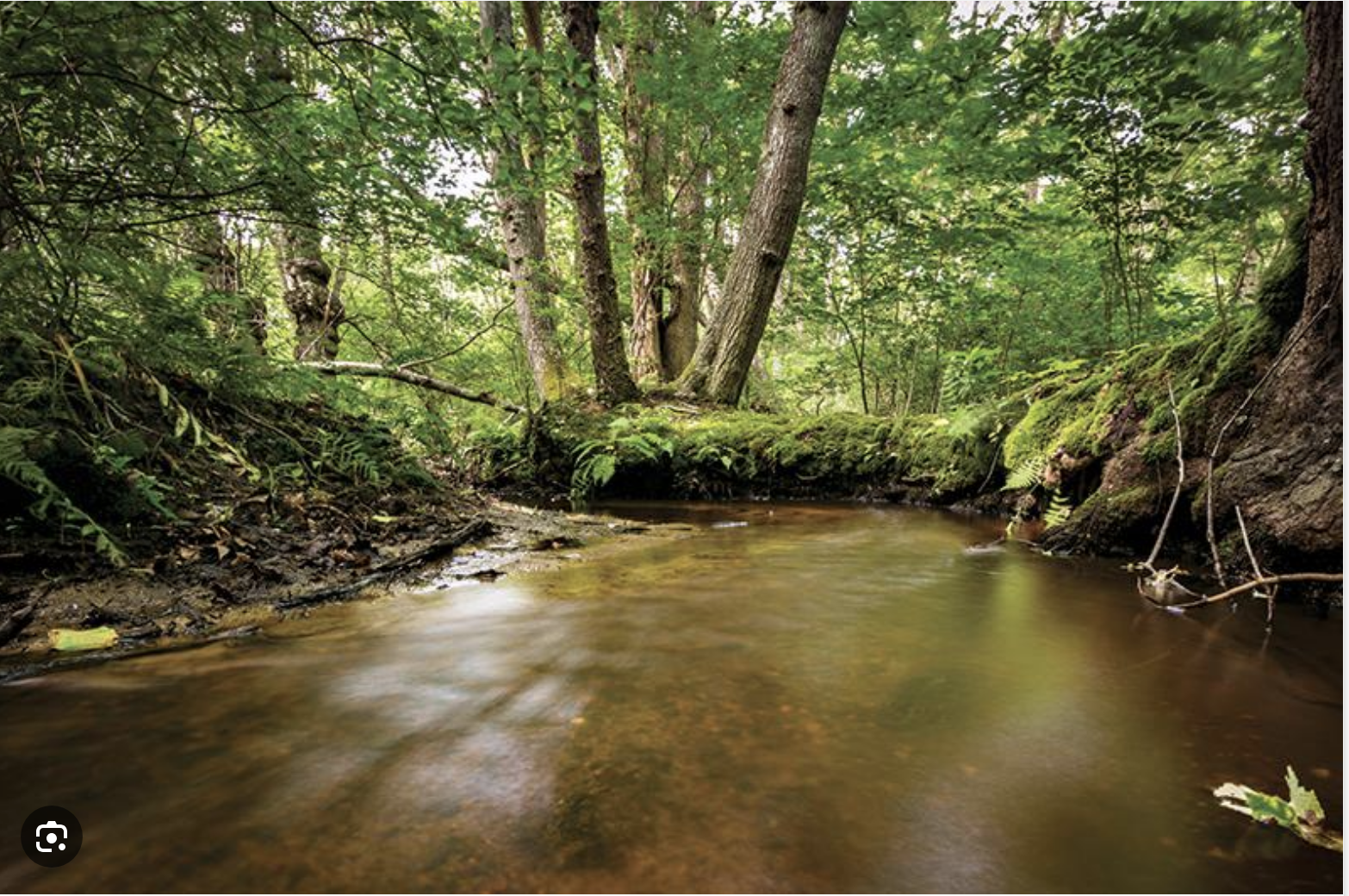
Set beside a pond and stream and surrounded by wetlands, the Old Mill’s location was chosen for both practicality and power. Water drove the mill’s machinery and connected the site to a broader working landscape of farms, roads, and coastal trade. Today, the setting retains its rural character, offering visitors a sense of how industry once fit seamlessly into the natural environment of West Tisbury.
The mill’s modest scale, simple massing, and relationship to the land reflect a time when utility and craftsmanship guided construction. A small lawn, streamside bench, and nearby public pathways invite quiet exploration and reflection, reinforcing the site’s enduring connection to both nature and community.
Saved by the Garden Club
>By the early 20th century, the Old Mill had outlived its industrial purpose and fell into disrepair. In the 1930s, the building faced the very real threat of demolition. Recognizing its historic significance, members of the Martha’s Vineyard Garden Club stepped in—first renting the property in 1937, then raising funds to purchase it outright in 1942.
Their efforts saved the Old Mill from loss and ensured its preservation for future generations. For decades, the Garden Club has stewarded the building with care, using it as a gathering place and cultural venue, most notably as the longtime home of the beloved Blooming Art exhibition. The Old Mill stands today because of their foresight, advocacy, and dedication to preservation.
A Place for Gathering
Over time, the Old Mill has continued to adapt, serving as a tearoom, art gallery, auction house, and community venue. While its original machinery remains a focal point, the building’s greatest legacy may be its ability to bring people together—linking past and present through shared experience.
Today, the Old Mill remains a cherished West Tisbury landmark, valued for its history, pastoral setting, and intimate scale. In 2026, the Vineyard Preservation Trust acquired the property, establishing a lasting partnership with the Martha’s Vineyard Garden Club. Under this agreement, VPT serves as steward of the Old Mill, while the Garden Club continues its longstanding presence and beloved programming on site. Through thoughtful stewardship, the Mill and its grounds will support community gatherings, education initiatives, and limited private events. In addition, a Martha’s Vineyard Land Bank easement ensures permanent passive public access to the surrounding landscape, preserving the site’s natural character for generations to come.
Connect with this landmark
The Old Mill is available on a limited basis for small gatherings, meetings, and culturally aligned events that respect the character of this historic site. Set beside a pond and surrounded by natural landscape, the space offers a unique and intimate setting for thoughtfully scaled programs. Parking is available on site, and rentals are designed to remain low-impact and in keeping with the building’s historic fabric.
West Tisbury, MA